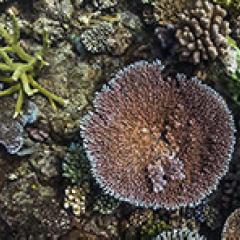
A new study shows the coastal protection coral reefs currently provide will start eroding by the end of the century, as the world continues to warm and the oceans acidify.
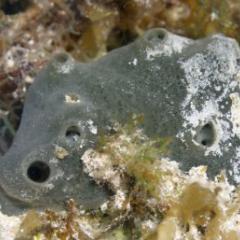
In a discovery spanning millions of years, scientists have found that humans, and most likely other animals, share important genetic mechanisms with a prehistoric Great Barrier Reef sea sponge.
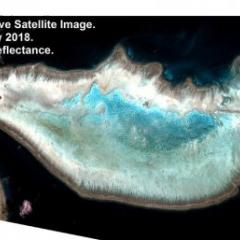
The University of Queensland is part of a global mapping and monitoring partnership using satellite imagery and big data processing to respond to the crisis facing coral reefs.
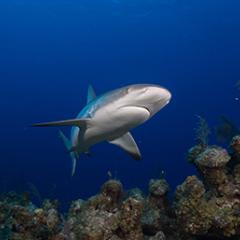
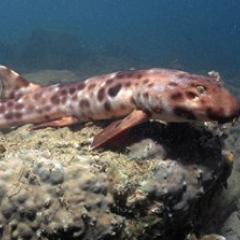
‘No-take’ marine reserves – where fishing is banned – can reverse the decline in the world’s coral reef shark populations caused by overfishing, according to an Australian study.
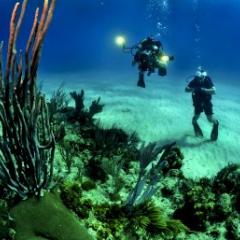
More than one million high-resolution images from 860 of the world’s coral reefs have been made available to scientists by The University of Queensland and ocean conservation non-profit, Underwater Earth.
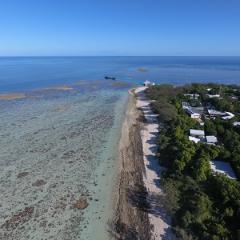
The largest marine research station on the Great Barrier Reef is set to shift to a cleaner energy source, with solar generation and storage to meet most of its electricity needs.